
Estimated reading time: 3 minutes
In modern political debates, the phrase “Trump Derangement Syndrome” is thrown around constantly. It’s usually deployed to dismiss anyone worried about authoritarianism in America as hysterical or obsessed. The message to the public is simple: if you are alarmed by the breaking of political norms or threats to election integrity, the problem isn’t what’s happening to the nation. The problem is your own mind.
But look closer, and you’ll see this isn’t just internet slang. It is a classic psychological trick used by strongmen throughout history to pathologize legitimate dissent.
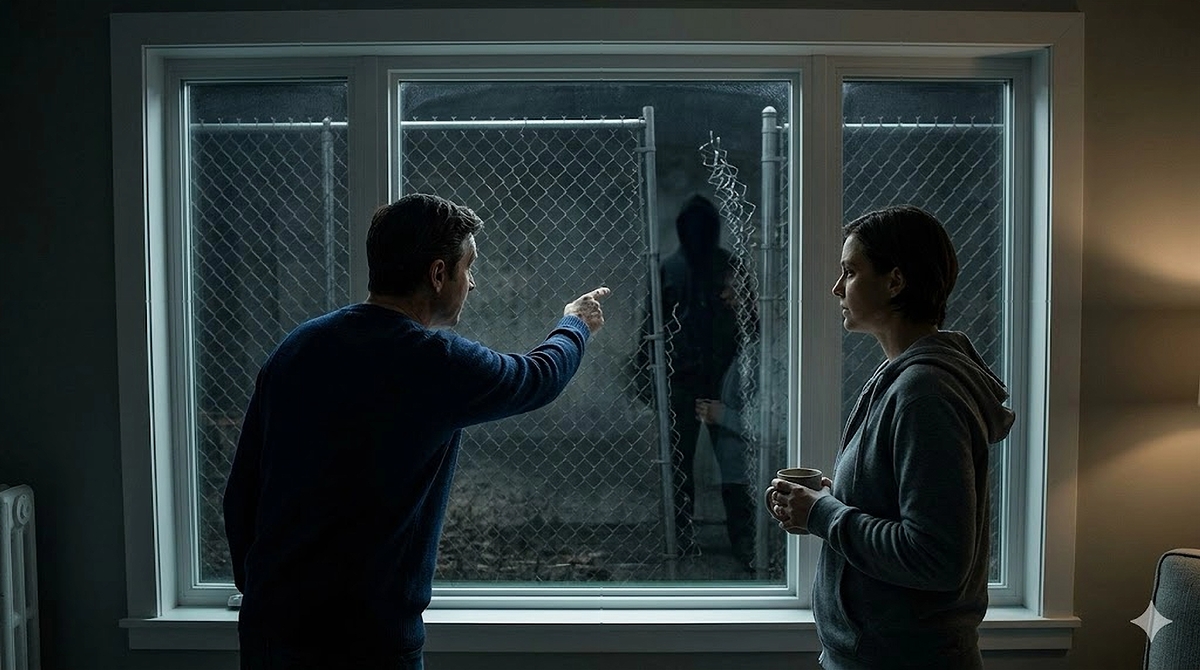
Imagine you’re sitting in your house, and someone outside is systematically cutting the wires to your security cameras, dismantling the fence, and unlocking your back door. If you point out the window in alarm, and your roommate turns to you and says, “You’re just obsessed with that guy outside. You have Home Invasion Derangement Syndrome,” they are gaslighting you. They aren’t actually defending the open door; they’re trying to make you look crazy so everyone ignores the danger.
That is exactly how the “TDS” label works in American politics. By turning a serious warning about our democratic guardrails into a personal insult, it conditions the public to look away from the creeping reality of authoritarianism in America.
Think about the everyday guardrails that keep a democracy safe: an independent judiciary, a free press, intelligence agencies, and secure election systems. In a healthy republic, these are our security cameras and perimeter fences. They’re designed to create friction and prevent any single leader from gaining unchecked power.
But when a leader wants to bypass these systems, the “derangement” label becomes the ultimate shield against accountability. If a federal judge blocks an executive order, the judge is labeled as biased. If investigative journalists uncover an abuse of power, the press is called corrupt. If intelligence agencies flag threats, they’re dismissed as part of a hidden plot. By filtering every institutional check through a psychological lens, the conversation shifts from “Is the leader breaking the law?” to “Why is everyone so out to get him?”
The true delusion of our current political era doesn’t belong to the critics sounding the alarm. It belongs to the compliance required to normalize this behavior. The real distortion is the willingness to erase what we see with our own eyes, whether it’s reframing a violent assault on the United States Capitol as a peaceful gathering, or turning our backs on long-standing democratic alliances like NATO that have kept the peace for generations.
To look at a broken fence and demand it be fixed is not a syndrome. It is acute situational awareness. It is the exact kind of civic vigilance that keeps a free society alive.
If demanding adherence to the rule of law and protecting constitutional boundaries can be successfully branded as a mental impairment, then the language of American democracy has been completely hijacked. We must reject the weaponized label and look directly at what is being dismantled. Because once a society is convinced that the people watching the doors are the ones who are sick, the path to unchecked power lies wide open.